Central
104 S Freya St
Yellow Flag Building, Suite 108
 Patient Portal
104 S Freya St
Yellow Flag Building, Suite 108
10121 N Nevada St, Suite 302
@ Dr Robb Heinrich, DDS
1 of 5
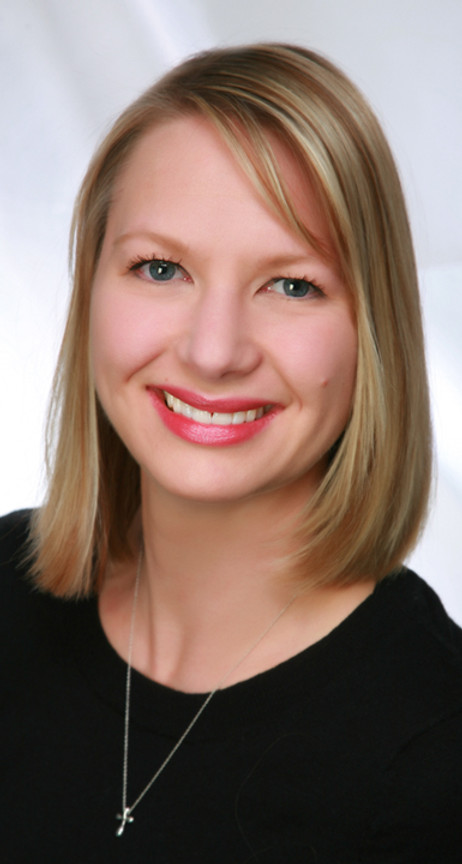
Hi! I'm Tamara! I've been a dental hygienist for 20 years in private practice in Spokane and Seattle. I'm local to Spokane and earned my bachelors in science in dental hygiene from Eastern Washington University in 2003. I became passionate about oral development and airway health and started my journey in treating orofacial myofunctional disorders in 2016 when my own child struggled with airway and speech issues.
I have thousands of hours completing post graduate training and treating patients clinically. I love working with a variety of people and conditions and treat my patients like family. I have great relationships with local providers that can assist you on your journey, and together, we will advocate for your optimum health and breathing.
I am a member of the IAOM and an Ambassador of the Breathe Institute. I am also certified TOTS trained. At Spokane Myofunctional Therapy, I see all ages and all aspects of orofacial myofunctional disorders. In person therapy for children is through play--music, food and games. For adults and teens, I am happy to do a combination of in person and Zoom to accommodate your busy schedule.
During my free time I like to stay active--play pickleball, snow ski, hike, garden and plant flowers, go to community events and sporting games, volunteer and travel. I love spending time with my family and animals. I consider myself a lifelong learner and improving myself.
Orofacial Myofunctional Therapy (OMT) is a short term, non-invasive, individualized program that restores orofacial muscle function and nasal breathing. Finding the root cause of oral dysfunction is imperative to treatment whether it be oral restrictions, such as a tongue tie, airway obstruction, oral habits or developmental.
OMT is a collaborative treatment for orofacial and airway growth, speech, feeding, orthodontic treatment and mouth breathing and airway maintenance in children. In adults, OMT addresses orofacial balance, stability of dentition, managing sleep disordered breathing and craniofacial pain and contributing individual habits.
Signs and symptoms of orofacial myofunctional disorders vary in individuals such as tongue thrust, low tongue posture, forward swallow, low facial tone, jaw instability, tongue tie, chronic mouth breathing, chronic nasal congestion, crooked teeth, orthodontic relapse, TMD/TMJ, bruxism, problems chewing, swallowing, digestion, poor articulation, forward head and shoulder posture, snoring, mouth breathing and obstructive sleep apnea.

Young children over 3 or 4 can benefit from orofacial myofunctional therapy to increase oral motor skills for speech and feeding, improve sensory integration and normalize oral posture and nasal breathing and to help develop the orofacial and airway complex. This is a great time to eliminate binky and thumb sucking to prevent poor oral development and malocclusion. The focus is growth and prevention. We have loads of fun making music and playing oral motor games.

After 5, kids are still growing a lot. They are continuing to develop speech and start losing baby teeth. Often, they may still present with a tongue thrust or low tongue posture. This can negatively affect speech, facial and airway development. Tongue and lip restrictions or chronic nasal congestion may be a root cause.

Adults that benefit from OMT have had oral dysfunction and poor breathing for years, unknowingly. They often complain of poor sleep, sleep disordered breathing, craniofacial pain, headaches, migraines, orthodontic relapse, clenching and grinding, poor immune function and cognition, overall muscular tension, poor posture, limited mobility and cervical spine instability.
Job 33:4